
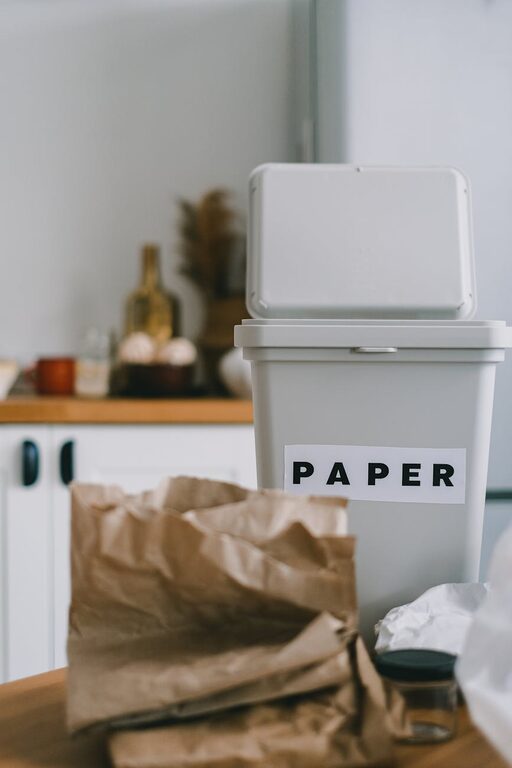
Paper clutter is one of the most common challenges in many households. From bills and receipts to junk mail and school papers, the constant influx can quickly overwhelm your space. Fortunately, reducing paper clutter doesn’t have to be complicated or time-consuming. With a few simple strategies, you can take control of your papers and create a tidier, more organized home. Here’s a detailed guide with practical tips to help you reduce household paper clutter.
Why Paper Clutter Builds Up
Before diving into solutions, it’s good to understand why paper clutter accumulates:
– Daily mail and flyers: These often pile up before you even get a chance to look through them.
– Important documents: Bills, warranties, and tax papers need to be kept but can easily collect in stacks.
– Schoolwork and artwork: Parents often keep everything, not knowing what to toss.
– Receipts and coupons: Many like to hold on to these in case they need them later.
– Sentimental papers: Cards, notes, and mementos can be tough to part with.
Understanding this can help you tailor your approach.
Step 1: Set Up a Paper Sorting Station
Designate a specific area in your home where all incoming paper is gathered. This can be a tray, box, or a simple file folder system.
– Inboxes and trays: Use labeled trays such as “To File,” “To Read,” and “To Act” to separate papers immediately.
– Clear the station regularly: Commit to sorting this area daily or weekly to avoid piles growing out of control.
Step 2: Embrace Digital Alternatives
Going paperless can drastically reduce clutter. Here are ways to do so:
– Opt for e-bills and statements: Contact your utility providers, banks, and credit card companies to receive paperless billing.
– Scan and store important documents: Use a scanner or mobile app to digitize insurance papers, receipts, and warranties. Store them in organized folders on your computer or cloud storage.
– Use digital note-taking apps: Replace sticky notes and paper lists with apps like Evernote or Google Keep.
This not only helps with clutter but also makes finding documents easier.
Step 3: Create a Simple Filing System
Not all papers can be eliminated; some must be kept. A straightforward filing system makes managing these easier.
– Use labeled folders: Create categories like “Taxes,” “Medical,” “Home Expenses,” or “School.”
– Use color-coded folders: Assign colors to different categories for visual ease.
– Keep files in an accessible spot: A portable file box or a small filing cabinet works well.
– Review and purge regularly: Schedule a quarterly review to discard outdated or no-longer-needed papers.
Step 4: Deal With Incoming Mail Strategically
Much of paper clutter originates from daily mail. You can control this flow by:
– Reducing junk mail: Register with services like the Direct Marketing Association’s Mail Preference Service to cut down on unsolicited mail.
– Sorting mail immediately: Sort your mail as soon as you bring it in — recycle junk mail, file important papers, and set aside any items that need attention.
– Designate a letter tray: Keep an “Action” tray for bills or forms that need your response.
Step 5: Manage Receipts and Coupons Effectively
Receipts and coupons tend to pile up fast. Here’s how to keep them under control:
– Keep only necessary receipts: For returns, warranties, or tax purposes. Otherwise, recycle promptly.
– Use digital receipt apps: Some apps allow you to photograph and store receipts digitally.
– Organize coupons by expiration date: Use an accordion folder or envelope to keep track.
– Check and purge regularly: Remove expired coupons monthly.
Step 6: Handle Kids’ Papers Sensibly
Many parents struggle with deciding what to keep from their children’s schoolwork and artwork. Try these tips:
– Display favorites: Use bulletin boards or frames to showcase special pieces.
– Create a memory box: Keep select items in a labeled box, limiting the size so you only save the most meaningful items.
– Digitize others: Take photos of the rest and create a digital scrapbook.
Step 7: Maintain a Daily Paper Routine
The best way to avoid paper clutter is to manage it daily:
– Establish a 10-minute paper routine: Every day or every other day, clear your paper sorting station.
– Deal with papers immediately: File, recycle, or act quickly so papers don’t pile up.
– Avoid procrastinating: The longer you wait, the harder it becomes.
Bonus Tips to Keep Paper Clutter Away
– Use reusable notebooks: Instead of paper notes, choose notebooks that can be wiped clean and reused.
– Be mindful about what you print: Before printing, consider whether you really need a paper copy.
– Set limits: Decide how much paper you keep in each folder or box, and stick to it.
Conclusion
Reducing household paper clutter is all about creating habits and systems that work for you. By setting up sorting stations, embracing digital tools, managing mail wisely, and maintaining daily routines, you can keep your home free of overwhelming paper stacks. Start small, and enjoy the peace of a well-organized space — paper clutter doesn’t have to run your life!
—
By using these simple strategies, you can enjoy a more organized, clutter-free home in no time. Happy decluttering!