
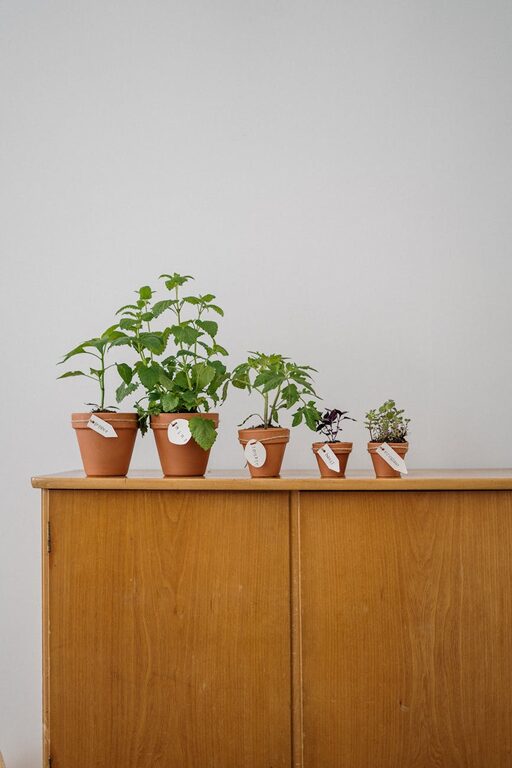
Starting a small herb garden indoors is a wonderful way to bring fresh flavors into your cooking while adding a touch of greenery to your living space. Whether you have limited outdoor space or just want the convenience of fresh herbs year-round, growing herbs inside is both practical and enjoyable. This guide will walk you through everything you need to get started, from choosing herbs to caring for them.
Why Grow Herbs Indoors?
Indoor herb gardening offers several benefits:
– Freshness: Harvest herbs anytime for cooking, teas, or garnishes.
– Convenience: No need to run to the store or worry about outdoor weather.
– Decor: Green plants add life and brightness to your home.
– Learning: Great way to understand plant growth and care without a big commitment.
Choosing the Right Herbs for Indoor Gardening
Not all herbs thrive indoors equally. Some do well in pots and relatively low light conditions, while others prefer outdoor environments. Ideal indoor herbs include:
– Basil: Loves bright light, perfect for sunny windows.
– Mint: Hardy and grows well in pots; can spread quickly, so pot it separately.
– Parsley: Prefers moderate sunlight and consistent moisture.
– Thyme: Drought-tolerant and enjoys full sun indoors.
– Chives: Need bright light and well-drained soil.
– Cilantro: Prefers cooler and well-lit spots.
Start with 2-3 herbs you use most in your cooking to keep it manageable.
Selecting Containers and Soil
Containers
– Use pots with drainage holes to prevent waterlogging.
– Size matters: generally, 4-6 inch pots are suitable for most herbs.
– Choose saucers or trays to catch excess water.
– Consider self-watering pots if you want to reduce watering frequency.
Soil
– Use good-quality potting mix designed for indoor plants.
– Avoid garden soil; it can be too heavy and may carry pests.
– A mix with peat moss, vermiculite, or perlite helps with drainage.
Where to Place Your Herb Garden
Light is crucial for herbs to thrive indoors.
– Most herbs need 6-8 hours of bright sunlight daily.
– South or west-facing windows are usually best.
– If natural light is limited, consider using grow lights:
– LED grow lights are energy-efficient.
– Position lights about 6-12 inches above plants.
– Use timers to provide 12-16 hours of light per day.
Keep herbs away from drafts, heating vents, or air conditioners, which can stress plants.
Planting Your Herbs
You can start herb gardening in two ways:
- **Seeds:**
– Provide a sense of accomplishment from start to finish.
– Follow seed packet instructions for depth and spacing.
– Keep the soil moist but not soggy.
– Germination times vary from 7 days (basil) to longer (parsley).
- **Starter plants:**
– Easier and faster to begin.
– Transplant into pots and water thoroughly.
– Choose healthy plants without yellowing leaves or pests.
Caring for Your Indoor Herb Garden
Watering
– Check soil moisture daily by touching the top inch of soil.
– Water when the soil feels dry, but do not let pots sit in standing water.
– Overwatering is a common cause of plant problems.
Feeding
– Use a diluted, balanced liquid fertilizer every 4-6 weeks during growing season.
– Avoid over-fertilizing, which can affect flavor and plant health.
Pruning and Harvesting
– Regular pruning encourages bushier growth and prevents legginess.
– Pinch off the tips or leaves with clean scissors.
– Harvest in the morning after the dew dries for optimal flavor.
– Avoid removing more than one-third of the plant at once.
Pest Management
– Keep plants clean and inspect regularly for pests like aphids or spider mites.
– Use natural methods like rinsing leaves or insecticidal soap if needed.
– Good air circulation helps prevent fungal issues.
Troubleshooting Common Issues
| Problem | Cause | Solution |
|——————-|———————————|——————————-|
| Yellowing leaves | Overwatering or poor drainage | Adjust watering, improve drainage |
| Leggy plants | Insufficient light | Move closer to window or add grow lights |
| Wilting | Underwatering or root problems | Water deeply, check roots |
| No new growth | Fertilizer deficiency or light | Feed plants, increase light |
Tips for Success
– Rotate pots weekly for even light exposure.
– Clean pots and tools regularly to avoid disease.
– Keep a gardening journal to track watering, feeding, and growth.
– Experiment with different herb varieties to find what suits your space and taste.
Final Thoughts
Starting a small indoor herb garden is a fun and practical hobby. With a little planning and care, you can enjoy fresh herbs right from your windowsill. Whether you love cooking, decorating your home, or simply want a green thumb project, indoor herbs offer a rewarding gardening experience.
Happy gardening!