
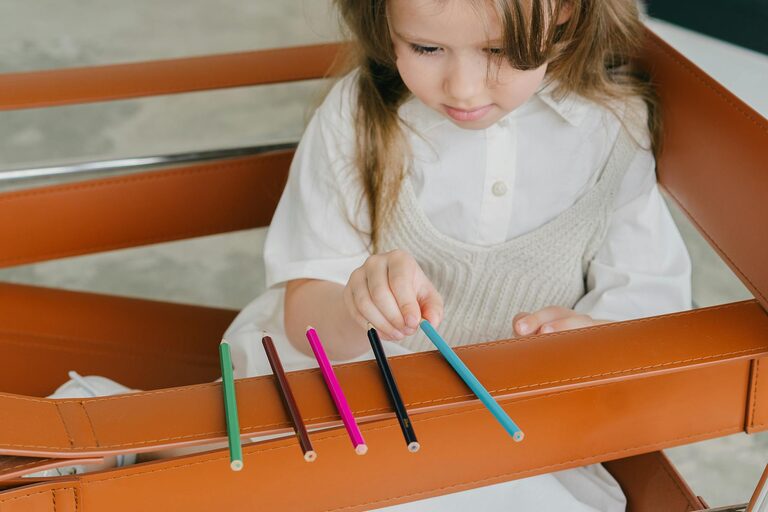
Keeping your kids’ artwork organized can be a delightful challenge. Kids love to create art, and parents understandably want to treasure these masterpieces. However, without a system in place, art projects, drawings, and crafts can quickly create clutter. The good news is there are many easy and creative ways to store and display your children’s art while minimizing mess. This post shares practical tips to help you keep kids’ art organized in a way that respects both your space and those special keepsakes.
Why Organize Kids’ Art?
Before jumping into solutions, it’s worth considering why organizing your children’s art is important:
– Preserve memories: Artwork reflects your child’s growth and creativity over time.
– Manage clutter: Without organization, art piles can take over your home.
– Encourage creativity: A neat space helps children feel proud and inspires them to create more.
– Simplify storage: Systems make it easier to locate specific pieces when you want to revisit them.
Step 1: Create a Dedicated Art Space
Having a designated spot for art supplies and finished projects helps set boundaries and keeps everything in one place.
Tips for an Art Corner
– Use a small table, desk, or cart near a well-lit area.
– Include trays or bins for markers, crayons, paints, and brushes.
– Add wall-mounted shelves or pegboards to hang supplies or display art.
– Provide a folder or box nearby to temporarily hold completed pieces before you file them properly.
Step 2: Sort Artwork Regularly
Make it a habit to go through your child’s artwork periodically. This helps you decide what to keep, what to display, and what can be recycled.
Sorting Tips
– Set aside time weekly or monthly, depending on how much art your child creates.
– Ask your child to pick their favorite pieces to keep.
– Separate artwork by date, theme, or type (e.g., drawings, paintings, crafts).
– Consider taking photos of larger projects before recycling them to preserve the memory digitally.
Step 3: Use Storage Solutions That Work
Once sorted, select appropriate storage to keep artwork safe and accessible.
Popular Storage Ideas
– Art portfolios: Large, flat folders designed for artwork keep papers wrinkle-free.
– Storage bins: Use labeled plastic containers or boxes for storing 3D art or crafts.
– Binders with sheet protectors: Perfect for smaller, flat pieces; you can organize by date or child.
– Accordion folders: Great for quickly sorting and storing art by category.
– Digital storage: Scan or photograph artwork and save it in cloud folders or create digital photo books.
Step 4: Display Art Creatively
Showcasing your child’s art can be rewarding for both of you and helps reduce piles of artwork left unseen.
Display Ideas
– Gallery wall: Frame selected artworks and rotate them regularly.
– Clipboards or wire hangers: Hang several clipboards or use a wire with clips to easily swap out new art.
– Magnetic boards: Kids can stick their latest creations on a magnetic surface for a dynamic display.
– Photo books: Compile photographed art into professionally printed albums that look great on shelves.
– Art strings: Hang a string or twine on a wall and attach art with clothespins for a charming, casual display.
Step 5: Repurpose and Share
Find new uses for your child’s art to celebrate creativity beyond simple storage.
Repurposing Ideas
– Turn drawings into greeting cards, wrapping paper, or gift tags for family and friends.
– Create calendars using scanned artwork for each month.
– Use art as covers for homemade journals or scrapbooks.
– Share digital portfolios with relatives who live far away through email or shared albums.
Step 6: Involve Your Child
Engaging your children in organizing their artwork helps teach responsibility and gives them pride in their creations.
– Encourage them to help choose which pieces to keep or recycle.
– Let them decorate storage bins or portfolios to make the space more personal.
– Discuss what their favorite projects are and why.
Final Thoughts
Organizing kids’ art doesn’t have to be overwhelming. With simple systems in place, you can maintain a clutter-free home while honoring your child’s creativity. Whether you prefer physical storage, digital archiving, or creative displays, find an approach that fits your family’s style. Most importantly, celebrate the joy and memories that each piece of art reflects.
Remember, the goal is to preserve the memories, not every single piece. By being selective and intentional, you can keep your home tidy and your child’s artistic spirit thriving. Happy organizing!